Task One



What do you need?
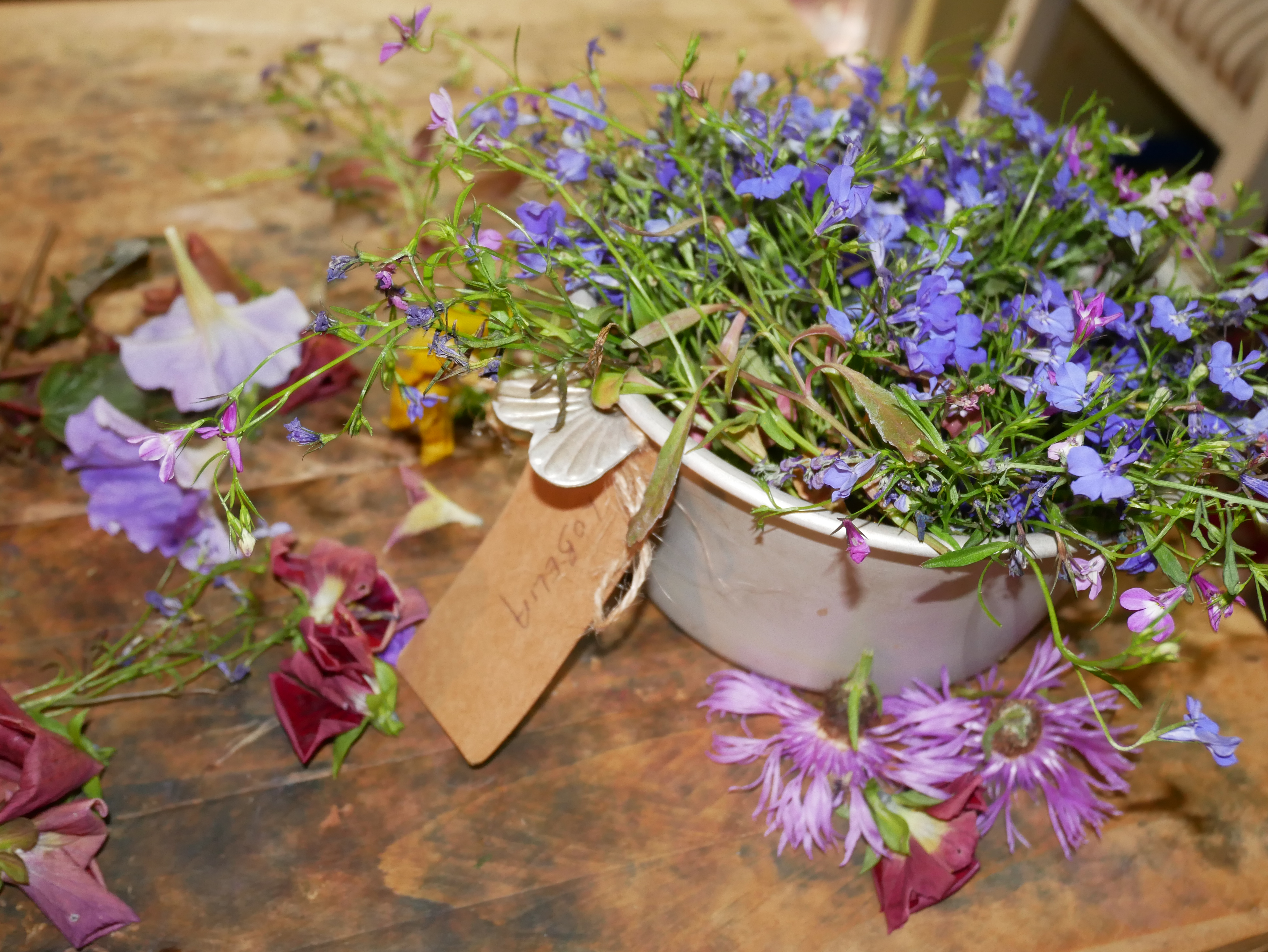
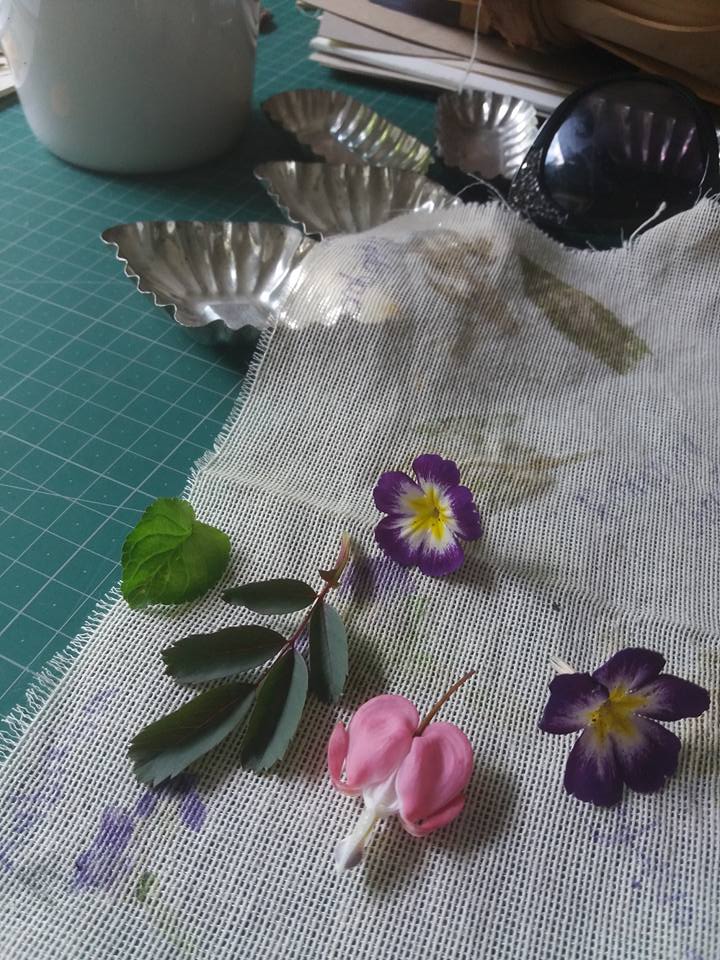
- A variety of botanicals (anything in your garden is fine to begin with)
- A piece of washed white natural fibre fabric (calico is good for beginners)
- A clean hammer (little to no rust)
- A wooden board (an old chopping board will do, the dye will seep through so make sure you don’t want to use it in the kitchen again)
- A place to work with a sturdy table and protective cover (I use a shed I have converted into a studio and bought a very cheap rustic table to hammer directly onto, but any wooden table/bench you don’t value too highly will do)
- An apron
- A small container to place used flowers
- A place to lay the used flowers out to dry should they peel away whole.
Do not worry about the fixing and quality of the dye. At this stage it is important to become familiar with the process. First find out what the hammer, the plant and the fabric do in your hands. Everybody holds the hammer differently, pounds in a slightly different way hard/soft fast/slow this first task will help you find and become comfortable with your own stroke and understand what the flower does and how the fabric responds.
The aim in the first task is to be comfy with your hammer, learn to place the flower and and master the movement of the fabric.

 Restless Rose Vintage